If SEO has ever felt like a pile of vague advice, you’re not alone. The useful version is much simpler: understand what someone wants, make the page clearly answer it, and help search engines see that match.

This guide keeps the focus on the parts that actually matter for most pages.
What SEO is trying to do
At its core, SEO helps the right page show up for the right search. That means two things have to line up: the searcher’s intent and the page’s content.
Think of it as a matching problem. Search engines are trying to guess which result will solve the question fastest and most completely.
If your page is clear, specific, and genuinely useful, you’re already doing the hard part.
Start with search intent, not keywords
Keywords still matter, but they work best when you treat them as clues, not the goal.
A person searching “best budget laptop” probably wants comparisons. Someone searching “how to clean laptop fan” wants instructions. Same topic area, very different pages.
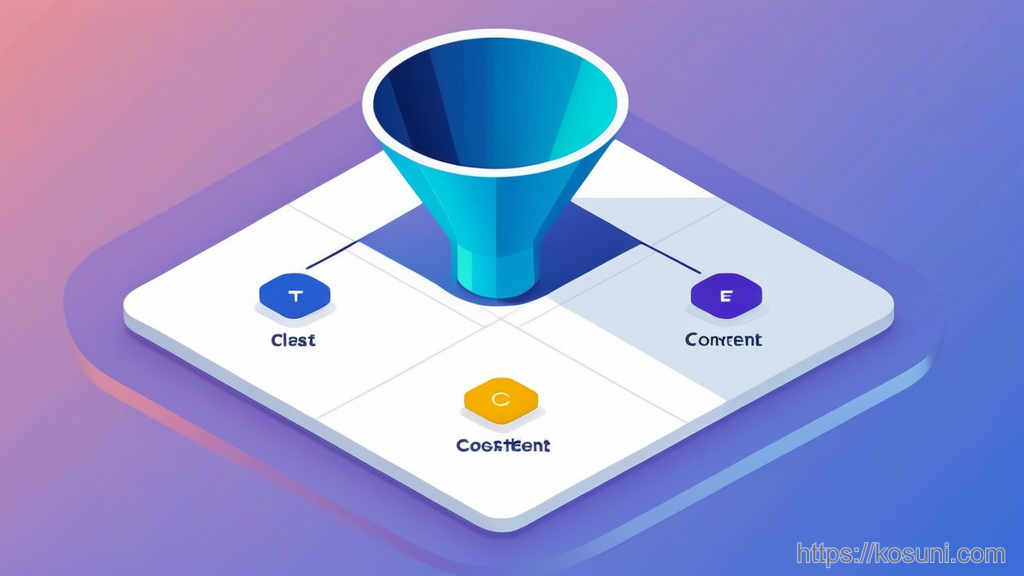
Before writing, ask a simple question: what is the searcher trying to do right now?
- Learn something
- Compare options
- Find a specific page or brand
- Buy or take action
If the page type doesn’t match the intent, rankings often stall no matter how many keywords you add.
Make the title and description do their job
Your title is the first promise. It should say what the page is about without sounding stuffed or clever for no reason.
Search snippets also benefit from a clear description, even if the search engine does its own editing. Write it like a short summary for a real person.

A good title usually includes the topic and the angle. A good description explains the value in one or two plain sentences.
- Use the main topic naturally
- Be specific about the page’s angle
- Avoid repeating the same phrase three times
- Make the benefit easy to spot
Clarity beats cleverness here.
Structure the page so it is easy to scan
Most people do not read a page in order. They skim first, then decide whether to stay.
That means headings matter. So do short sections, clean lists, and paragraphs that move one idea at a time.

A simple structure often works better than a fancy one:
- What the topic is
- Why it matters
- How to do it
- Common mistakes
- What to do next
If a section answers a question the searcher already has, keep it easy to find.
Use content depth without padding
More words do not automatically mean better SEO. What matters is whether the page covers the topic fully enough to be useful.
That usually means explaining the main idea, giving examples, and covering the likely follow-up questions.

A quick test: if you removed a paragraph, would the page lose something important, or just feel shorter?
Useful depth sounds like this:
- Define the term in plain language
- Show how it works in practice
- Call out mistakes people make
- Include a small checklist or next step
Padding sounds like repeating the same point with different words.
Watch the technical basics that support the page
Even good content can struggle if the page is hard to crawl, slow to load, or confusing to index.
You do not need to obsess over every technical detail. Just check the basics that often cause avoidable problems.
- Page loads reliably
- Only one main version of the URL exists
- Titles and headings are not duplicated everywhere
- Images have useful alt text when needed
- Internal links help users reach related pages

If you are only fixing one thing, start with the page itself. Technical work helps most when the content is already solid.
Check whether the page is actually working
SEO is not magic, so it helps to look for signs that the page is doing its job.
Useful signals include search impressions, clicks, rankings for the right kind of query, and whether visitors stay long enough to get value.
But do not overread a tiny sample. One week of data can be noise, especially for new pages.
- Are the right search queries showing up?
- Do people click the result?
- Do they seem to find the answer quickly?
- Is the page attracting the audience you wanted?
If the answer is no, go back to intent, title, or structure before making bigger changes.
Takeaway: clarity wins
Good SEO is mostly disciplined clarity. Match the search intent, write a title that makes sense, structure the page so it is easy to scan, and remove anything that gets in the way.
When in doubt, make the page more useful for a human first. That usually helps search too.